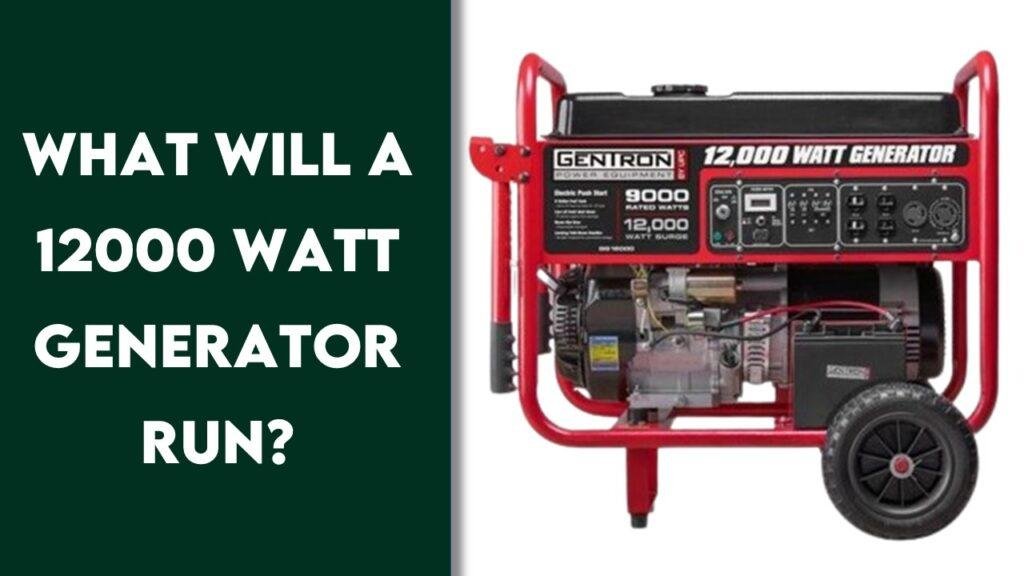
Facing a power outage, your 2500W generator becomes your lifeline. But how long can it truly keep your essentials humming, and how much fuel will it gulp down in the process? Understanding the intricate dance between your generator's Fuel & Runtime for 2500W Generators isn't just about saving money—it's about ensuring uninterrupted comfort and critical power when you need it most. Let's peel back the layers and uncover the secrets to maximizing every drop, transforming uncertainty into confident preparedness.
At a Glance: Key Takeaways for Your 2500W Generator
- Runtime Varies Wildly: Don't expect a single answer. A 2500W generator's operational hours depend heavily on its load, fuel type, efficiency, and even environmental factors.
- Fuel Type Matters: Gasoline offers high energy density but a short shelf life. Propane (LPG) has a longer shelf life but typically yields less power and requires more fuel volume for the same runtime.
- Load is Everything: Running your generator at 50% of its rated capacity is often the sweet spot for efficiency, extending runtime significantly compared to full load.
- The Runtime Formula: You'll need fuel capacity, an estimated fuel consumption rate (which varies by load), and your generator's wattage to get a reasonable runtime calculation.
- Plan for Refueling: For sustained outages, plan to refuel well before your tank runs dry. For a runtime of 48 hours or less, consider refueling within 24 hours.
- Maintenance & Storage Are Crucial: Regular upkeep keeps your generator efficient, and proper, safe fuel storage is non-negotiable for both performance and safety.
Your 2500W Generator's Thirst: Decoding Fuel Consumption
A 2500-watt generator is a versatile piece of equipment, often chosen for camping, tailgating, or providing essential backup power during short outages. But that "2500W" label only tells you its maximum output. Its true appetite for fuel is a more complex story, influenced by several critical factors.
Think of it like a car: a sports car might have a powerful engine, but its fuel economy drastically changes whether you're idling in traffic, cruising on the highway, or racing on a track. Your generator behaves similarly.
What Makes a Generator Guzzle or Sip?
- The Load Percentage: This is, hands down, the biggest factor.
- Full Load (2500W): Your generator is working at its hardest, consuming the most fuel. Think of it powering a small refrigerator, a microwave, and a few lights simultaneously.
- Half Load (1250W): This is often where generators are most fuel-efficient. They're running smoothly without being strained, consuming significantly less fuel per hour than at full load.
- Quarter Load (625W): While it saves fuel compared to higher loads, running a generator consistently at very low loads can sometimes be less efficient per watt and might even be detrimental to the engine over time (called "wet stacking" for some generator types).
- Generator Type:
- Conventional Generators: These typically run at a fixed engine speed (e.g., 3600 RPM) to produce a consistent 60 Hz AC power, regardless of the load. This means they're less efficient at lower loads.
- Inverter Generators: A 2500W inverter generator, by contrast, can vary its engine speed to match the power demand. This makes them significantly more fuel-efficient, especially at partial loads, and often quieter. This distinction is vital for understanding fuel economy.
- Engine Efficiency & Condition: A well-maintained generator with clean filters, fresh oil, and properly gapped spark plugs will always run more efficiently than one that's neglected. Just like any engine, age and wear can also slightly reduce efficiency.
- Environmental Factors: High altitudes can reduce engine performance and slightly impact fuel consumption. Extreme temperatures (very hot or very cold) can also influence efficiency, as the engine works harder to maintain optimal operating conditions.
- Fuel Quality: Using stale or contaminated fuel can lead to incomplete combustion, reducing efficiency and potentially damaging your generator.
Understanding these variables is the first step in mastering your 2500W generator's fuel usage.
The Runtime Equation: How Long Will You Last?
Knowing your generator's fuel consumption is great, but what you really want to know is: how many hours can I expect from a single tank or propane cylinder? This is your generator's runtime.
The basic formula for calculating generator runtime is straightforward:Runtime (Hours) = Fuel Tank Capacity (Gallons or Liters) / Fuel Consumption Rate (Gallons or Liters per Hour)
However, the "Fuel Consumption Rate" is the tricky part, as it's not a fixed number. As we discussed, it changes dramatically with the load your generator is handling. Most manufacturers will provide consumption rates at 25%, 50%, 75%, or 100% load, or sometimes just 50% and 100%.
Typical 2500W Generator Fuel Consumption & Runtime Estimates
Let's break down some general estimates for a 2500W generator, keeping in mind that actual figures can vary based on the specific make, model, and engine efficiency (as FosterFuels notes, calculations can vary due to generator type, make, and model, and environmental factors).
For a 2500W Gasoline Generator (with a 1- to 2-gallon fuel tank):
| Load Percentage | Estimated Watts Used | Fuel Consumption (Gallons/Hour) | Runtime on 1 Gallon (Hours) | Runtime on 2 Gallons (Hours) |
|---|---|---|---|---|
| 25% Load | 625W | 0.10 - 0.15 | 6.5 - 10 | 13 - 20 |
| 50% Load | 1250W | 0.15 - 0.25 | 4 - 6.5 | 8 - 13 |
| 75% Load | 1875W | 0.25 - 0.35 | 2.8 - 4 | 5.6 - 8 |
| 100% Load | 2500W | 0.35 - 0.45 | 2.2 - 2.8 | 4.4 - 5.6 |
| Note: These are general estimates. Always check your specific generator's owner's manual for precise figures. | ||||
| For a 2500W Propane Generator (using a standard 20 lb BBQ-style tank): | ||||
| Propane consumption is usually measured in pounds per hour (lbs/hr). A 20 lb propane tank holds about 4.7 gallons of liquid propane. However, generators convert liquid propane to gas before burning, and its energy density is lower than gasoline. Roughly, a gallon of propane provides about 73% of the energy of a gallon of gasoline. |
- Estimated Propane Consumption: A 2500W generator might consume around 1.0 - 1.5 lbs of propane per hour at 50% load.
- Runtime on a 20 lb Tank (approx.):
- At 50% Load (1250W): A 20 lb tank could last approximately 13 - 20 hours.
- At 100% Load (2500W): A 20 lb tank might last around 7 - 10 hours.
Keep in mind that factors like tank pressure (which drops in cold weather), regulator efficiency, and the generator's specific propane conversion system can affect these numbers.
The Real-World Variability Caveat
It's crucial to remember that these are estimates. Your generator's actual performance will vary. As GeneratorSizeCalculator.com points out, "Estimates for standard open-frame generators" are just that—estimates. Things like the exact generator type, its make and model, environmental conditions, fuel quality, and the specific electrical load you're putting on it can all influence the actual burn rate and runtime. Always treat these calculations as a general idea, not a guaranteed exact figure.
Fueling Your 2500W Workhorse: Gasoline vs. Propane
When it comes to powering a 2500W generator, you're most likely dealing with gasoline, propane, or a dual-fuel model. Each has its distinct advantages and drawbacks, particularly concerning runtime, storage, and cost.
Gasoline: The Go-To for Quick Power
Gasoline is the most common fuel for smaller portable generators, including many 2500W models.
Pros:
- High Energy Density: Gasoline packs a lot of power into a small volume, meaning you typically get more power per gallon compared to propane. This translates to smaller fuel tanks on the generator itself and often longer runtime per gallon.
- Readily Available: You can find gasoline at virtually any gas station, making it easy to refuel.
- Lower Initial Cost for Fuel: Per gallon, gasoline is often cheaper than an equivalent amount of propane energy.
Cons: - Poor Shelf Life: Gasoline starts to degrade quickly, often within 3-6 months, leading to gumming up carburetors and fuel lines. This necessitates fuel stabilizers for storage.
- Highly Flammable & Explosive: Gasoline vapor is extremely dangerous, requiring strict safety protocols for storage and handling.
- Environmental Concerns: Produces more emissions (CO, NOx, hydrocarbons) than propane.
- Carburetor Issues: Small engine carburetors are particularly susceptible to issues from stale fuel or debris.
Consumption Notes for 2500W (Gasoline):
As shown in our table above, expect around 4-6.5 hours on a 1-gallon tank at 50% load, and 8-13 hours on a 2-gallon tank. This makes gasoline ideal for shorter, intermittent power needs.
Propane (LPG): The Long-Haul, Cleaner Option
Propane is a popular alternative, especially for those looking for longer-term storage solutions or cleaner operation.
Pros:
- Excellent Shelf Life: Propane can be stored indefinitely without degrading, making it perfect for emergency preparedness. No stabilizers needed!
- Cleaner Burn: It burns much cleaner than gasoline, reducing engine wear and tear, and producing fewer harmful emissions.
- Safer Storage: Propane is stored in sealed, heavy-duty tanks, significantly reducing the risk of spills or explosive vapors compared to gasoline.
- No Carburetor Issues: Since it's a gas, it doesn't leave sticky residues in the carburetor.
Cons: - Lower Energy Density: Propane delivers less energy per unit of volume than gasoline, meaning you'll burn through more pounds (or gallons equivalent) of propane to produce the same amount of power.
- Specialized Hookups: Requires specific hoses and regulators to connect to the generator.
- Tank Weight & Portability: Propane tanks (like a 20 lb BBQ tank) are bulky and heavy, which can be less convenient for true portability than simply pouring a can of gas.
- "Run Out" Risk: Unlike gasoline, which you can often visually monitor, propane tanks can suddenly run empty, requiring you to have a spare on hand.
Consumption Notes for 2500W (Propane):
A standard 20 lb propane tank (which contains approximately 4.7 gallons of liquid propane) might last 13-20 hours at 50% load for a 2500W generator. For extended outages, you'll need multiple tanks.
Dual Fuel Flexibility: Best of Both Worlds?
Many 2500W generators now offer dual-fuel capability, allowing you to switch between gasoline and propane.
Pros:
- Versatility: You get the high energy density of gasoline for quick jobs and the long-term storage and clean burn of propane for extended outages.
- Emergency Redundancy: If one fuel type becomes unavailable, you have a backup.
Cons: - Cost: Dual-fuel generators are often slightly more expensive upfront.
- Slightly Lower Performance on Propane: Generators typically have a slightly lower wattage output when running on propane compared to gasoline due to propane's lower BTU (British Thermal Unit) content.
Choosing the right fuel type depends on your primary use case. For occasional use and maximum power, gasoline might be fine. For backup power with less maintenance and longer storage, propane shines. Dual-fuel offers peace of mind.
Squeezing Every Watt: Masterful Efficiency Strategies
Even the most efficient generator can become a fuel hog if not managed correctly. Maximizing your 2500W generator's runtime isn't just about having more fuel; it's about making every drop count.
1. Load Management: Find the Sweet Spot
This is paramount. Running your generator at its most efficient load point is key.
- Avoid Overloading: Pushing your generator beyond its rated capacity is not only inefficient but can also damage the engine, trip breakers, and dramatically increase fuel consumption.
- Avoid Underloading: While it might seem counterintuitive, consistently running a conventional generator at very low loads (e.g., 10-20% of its capacity) can be inefficient and lead to a condition called "wet stacking." This is where unburned fuel and carbon deposits build up in the engine, reducing performance and eventually requiring costly maintenance.
- Target 50-75% Load: For most conventional generators, operating between 50% and 75% of the rated load is the most fuel-efficient. If you have an inverter generator, its ability to throttle down means it's generally efficient even at lower loads, making it a stellar choice for variable power needs.
Practical Tip: Create a power budget. List all the appliances you plan to run, note their starting (surge) and running watts, and add them up. Prioritize essentials. This helps you understand your actual load and avoid unnecessary consumption. For a detailed breakdown of what a 2500-watt generator can power, see our comprehensive guide to 2500-watt generators.
2. Regular Maintenance: A Well-Oiled Machine Sips Fuel
Just like your car, a generator needs consistent care to perform its best and remain fuel-efficient.
- Oil Changes: Fresh oil lubricates components, reduces friction, and helps the engine run cooler and more efficiently. Follow your manufacturer's recommendations for oil type and change intervals.
- Air Filter: A dirty air filter chokes the engine, forcing it to work harder and consume more fuel. Check and clean or replace it regularly.
- Spark Plug: A fouled or improperly gapped spark plug leads to incomplete combustion, wasting fuel and reducing power. Inspect and replace as needed.
- Fuel Filter: Keeps contaminants out of the carburetor and engine. A clogged filter can restrict fuel flow and affect performance.
3. The Fuel Stabilizer Advantage
For gasoline generators, fuel stabilizer is your best friend for extending fuel life and protecting your engine. As advised by GeneratorSizeCalculator.com, it "prevents gasoline from going stale and gumming up the carburetor."
- During Storage: Add stabilizer to the fuel tank (following product instructions) whenever your generator will be stored for more than a month. Run the generator for a few minutes afterward to ensure the stabilized fuel circulates throughout the fuel system.
- Using Fresh Fuel: Even with stabilizer, try to use fresh gasoline for critical operations. Rotate your stored fuel every 6-12 months.
4. Smart Appliance Usage
Even when running off your generator, practice energy conservation.
- LED Lighting: Switch to LED bulbs, which consume a fraction of the power of incandescent bulbs.
- Unplug Phantom Loads: Many electronics draw power even when turned off. Unplug them when not in use.
- Stagger Appliance Starts: Avoid starting multiple high-draw appliances simultaneously, as the surge watts can strain your generator and temporarily increase fuel consumption.
By implementing these strategies, you're not just saving fuel; you're extending the life of your generator and ensuring it's ready when you need it most.
The Fuel Vault: Safe Storage for Peak Performance
Having enough fuel is one thing; storing it safely and effectively is another. Incorrect fuel storage can lead to degradation, safety hazards, and a generator that won't start when you need it.
1. The Right Containers Matter
Don't use old milk jugs or non-approved containers.
- OSHA Compliant Steel Cans: As recommended by GeneratorSizeCalculator.com, "OSHA compliant steel cans with flame arrestors" are the safest bet. These are designed to minimize spills and safely vent pressure.
- Plastic Fuel Cans (ASTM Approved): Ensure plastic containers are specifically rated for fuel storage (e.g., ASTM F852 for gasoline) and have features like flame arrestors and child-resistant caps. They should be red for gasoline, yellow for diesel, and blue for kerosene.
- Size Appropriately: Don't buy a massive container if you only need a few gallons. Smaller, manageable containers are safer and easier to handle.
2. Location, Location, Location
Where you store your fuel is almost as important as how.
- Cool, Dry, Well-Ventilated Area: This helps prevent fuel degradation and disperses any fumes.
- Away From Living Spaces: Never store gasoline inside your home, garage (if attached to the home), or basement. A separate shed, detached garage, or outdoor fuel storage locker is ideal.
- Away From Ignition Sources: Keep fuel far from pilot lights, water heaters, furnaces, electrical equipment, and direct sunlight.
- On a Stable Surface: Store containers on a level surface, out of reach of children and pets.
3. Shelf Life & Rotation: Don't Let it Go Stale
- Gasoline: Even with stabilizer, gasoline has a limited shelf life. Aim to rotate your stock every 6-12 months. Use older fuel in your car or lawnmower, and refill your generator cans with fresh fuel.
- Propane: Propane doesn't degrade, but ensure tanks are inspected periodically (they have a recertification date stamped on them, usually 10-12 years). Store tanks upright, never on their side, and away from direct sunlight or heat sources.
- Labeling: Clearly label your fuel containers with the type of fuel and the date it was purchased and stabilized.
4. Safety First, Always
- Ventilation: Always open fuel containers in a well-ventilated area to avoid inhaling fumes.
- Static Electricity: Before refueling, place the generator and the fuel container on the ground. Static electricity can build up and cause a spark.
- Spill Preparedness: Keep a fire extinguisher (Class B for flammable liquids) nearby. Have absorbent materials ready for spills.
- No Smoking: Absolutely no smoking or open flames near fuel.
- Cool Down Before Refueling: Never refuel a hot or running generator. Allow it to cool down completely to prevent accidental ignition of fuel vapors.
By adhering to strict fuel storage and handling protocols, you safeguard your property, your family, and the reliability of your 2500W generator.
Never Run Dry: Crafting Your Refueling Strategy
A 2500W generator typically has a relatively small fuel tank, meaning frequent refueling will be part of its operational routine during an outage. An effective refueling strategy ensures you maintain continuous power without scrambling or risking dangerous low-fuel situations.
The 24/48 Hour Rule for Proactive Refueling
FosterFuels, a trusted authority on generator fuel, offers excellent guidance on proactive refueling. They recommend:
- If your generator runtime is 48 hours or less, plan for refueling in 24 hours or less. This provides a critical buffer, accounting for potential delays in fuel delivery or your ability to safely refuel.
- If your generator runtime is less than 24 hours, your fuel capacity should be increased to allow for at least 24 hours of generator runtime. For a 2500W generator with a small tank, this means having sufficient stored fuel (multiple gasoline cans or propane tanks) to easily meet a 24-hour demand.
This isn't about running until the last drop; it's about anticipating and acting early.
Monitoring & Metrics: Keeping an Eye on the Tank
- Visual Inspection: For gasoline generators, a quick glance at the fuel gauge (if equipped) or a careful check of the tank level is often sufficient. Never open a hot fuel cap to look inside.
- Runtime Tracking: Keep a simple log of when you start the generator, what load it's typically running, and when you last refueled. This helps you predict future refueling needs.
- Propane Tank Scales: For propane, visual inspection isn't possible. A simple tank scale can give you a clear indication of remaining fuel by weight. Alternatively, pour hot water down the side of the tank; the line where condensation forms indicates the liquid level.
Emergency Reserves: How Much is Enough?
The amount of fuel you should keep on hand depends entirely on your anticipated needs.
- Short Outages (1-2 days): For a 2500W gasoline generator with a 1-2 gallon tank, plan for at least 2-4 additional 5-gallon gasoline cans (stabilized, of course). For propane, 2-3 extra 20 lb tanks should cover you.
- Medium Outages (3-5 days): You'll need substantially more. This might mean 5-10 additional 5-gallon gasoline cans or 5-8 propane tanks.
- Long-Term Preparedness: For truly extended scenarios, consider bulk fuel solutions (larger drums with proper storage) or a robust plan for sourcing additional fuel during an emergency. This often means relying on local suppliers or having a designated "fuel runner" with appropriate transport containers.
Access & Logistics: Getting Fuel During an Outage
- Pre-planning: During a widespread power outage, gas stations might be without power themselves, lines could be incredibly long, or roads might be impassable. Have your fuel reserves ready before a storm hits.
- Safe Transport: If you must transport fuel, ensure it's in approved containers, secured in your vehicle (preferably in an open truck bed or strapped down in the trunk to prevent rolling), and that you have adequate ventilation.
- Buddy System: Consider coordinating with neighbors or family to share fuel resources or to take turns going for fuel if needed.
A thoughtful refueling strategy ensures your 2500W generator remains a reliable source of power, not a source of last-minute panic.
Demystifying Runtime: Common Questions & Quick Answers
Let's address some common questions that pop up when discussing the Fuel & Runtime for 2500W Generators.
"How much fuel does a 2500W generator use per hour?"
It varies significantly based on load.
- Gasoline: Expect roughly 0.1 to 0.15 gallons per hour (GPH) at 25% load, increasing to 0.35 to 0.45 GPH at 100% load.
- Propane: Around 1.0 to 1.5 pounds per hour (LPH) at 50% load, increasing with higher loads.
Always check your generator's manual for precise figures.
"Can I use regular car fuel in my generator?"
Yes, most gasoline generators are designed to run on unleaded gasoline. However:
- Ethanol Content: Be cautious with high-ethanol blends (E15, E85). While E10 (up to 10% ethanol) is generally acceptable, higher ethanol concentrations can damage small engine components over time. Check your manual.
- Octane Rating: Use the octane rating recommended by the manufacturer, usually 87 (regular). Higher octane isn't necessary and won't improve performance.
- Freshness: The most critical factor is fuel freshness. Stale gasoline causes far more problems than slight variations in octane or ethanol (within limits).
"Does cold weather affect my generator's runtime?"
Yes, in several ways:
- Engine Efficiency: Engines can be less efficient in very cold temperatures, consuming slightly more fuel to produce the same power as they work harder to maintain operating temperature.
- Oil Viscosity: Cold oil is thicker, increasing resistance and potentially reducing efficiency until the engine warms up. Using a synthetic oil designed for cold weather (as recommended by GeneratorSizeCalculator.com) can help.
- Propane Pressure: Propane tanks rely on external temperature to vaporize. In very cold weather, the tank's pressure can drop, making it harder for the generator to draw fuel, potentially leading to reduced power or even stalling. You might need larger tanks or external heating solutions for propane in extreme cold.
"What's the best fuel for long-term storage?"
- Propane: Hands down. It doesn't degrade, so it can be stored indefinitely in approved tanks without additives.
- Gasoline: If you must store gasoline, use a high-quality fuel stabilizer, and ideally, rotate your stock every 6-12 months. Store it in approved, sealed containers in a cool, dark, well-ventilated area.
"Is an inverter generator really more fuel-efficient than a conventional one?"
Generally, yes, especially at partial loads.
- Inverter generators adjust their engine speed to match the electrical load, meaning they only use as much fuel as needed. This significantly reduces fuel consumption when you're not running at full capacity.
- Conventional generators run at a constant high RPM regardless of load, burning more fuel than necessary for lighter tasks.
If fuel efficiency and quiet operation are priorities, an inverter generator is usually worth the higher upfront cost.
Beyond the Numbers: Environmental & Practical Realities
While the core focus is on Fuel & Runtime for 2500W Generators, a responsible owner understands the broader implications of generator use.
Noise Pollution & Local Regulations
2500W generators, especially conventional models, can be noisy. Consider your neighbors and any local noise ordinances, particularly if you're using it in a residential area for extended periods. Inverter generators are generally much quieter, making them a more neighbor-friendly option. Placement of your generator can also significantly impact how far the noise travels.
Carbon Monoxide: The Silent Killer
Generators produce carbon monoxide (CO), an odorless, colorless, and deadly gas.
- Never run a generator indoors, in a garage, or near windows/vents that could allow fumes into your home.
- Always place the generator at least 20 feet away from your home with the exhaust pointed away from living spaces.
- Install battery-operated CO detectors inside your home (and ideally, in any attached garage or adjacent spaces). Check them regularly. This is a non-negotiable safety measure.
The True Cost of Fuel Over Time
While individual fill-ups might seem small, the cost of fuel can add up quickly during a prolonged outage. Factor this into your emergency budget. Also, consider the "opportunity cost" of your time spent procuring and managing fuel, especially during a crisis. Investing in fuel efficiency strategies and larger, safer storage solutions can pay dividends in peace of mind and actual savings.
Your Power Play: A Strategy for Uninterrupted Power
Mastering the Fuel & Runtime for 2500W Generators isn't about memorizing charts; it's about informed decision-making and proactive planning. Your 2500W generator is a valuable tool, but its effectiveness hinges on your readiness.
Here’s your actionable plan:
- Know Your Generator: Read your owner's manual. Understand its specific fuel consumption rates at various loads.
- Assess Your Needs: What exactly do you need to power? Create a realistic power budget. This will tell you your typical load, which is critical for estimating runtime.
- Choose Your Fuel Wisely: Based on your needs for portability, storage, and duration of use, decide if gasoline, propane, or dual fuel is best for you.
- Calculate & Plan for Runtime: Use the formulas and estimates provided to understand how long your generator will run. Then, crucially, apply the 24/48-hour refueling rule. Don't wait until the last minute!
- Build a Fuel Reserve: Acquire and properly store enough fuel to meet your anticipated needs, considering both short-term outages and potential longer events. Always use approved, labeled containers.
- Prioritize Maintenance: A well-maintained generator is an efficient generator. Stick to your service schedule for oil, filters, and spark plugs.
- Practice Safety: Store fuel safely, operate your generator outdoors, and install CO detectors. These are not optional.
- Test, Test, Test: Don't let the first time you use your generator under load be during an actual emergency. Run it periodically, connect some essential appliances, and observe its fuel consumption.
By taking these steps, you're not just owning a generator; you're owning your power security. You'll move from wondering "how long will it last?" to confidently knowing "I'm prepared." That peace of mind? It's priceless.