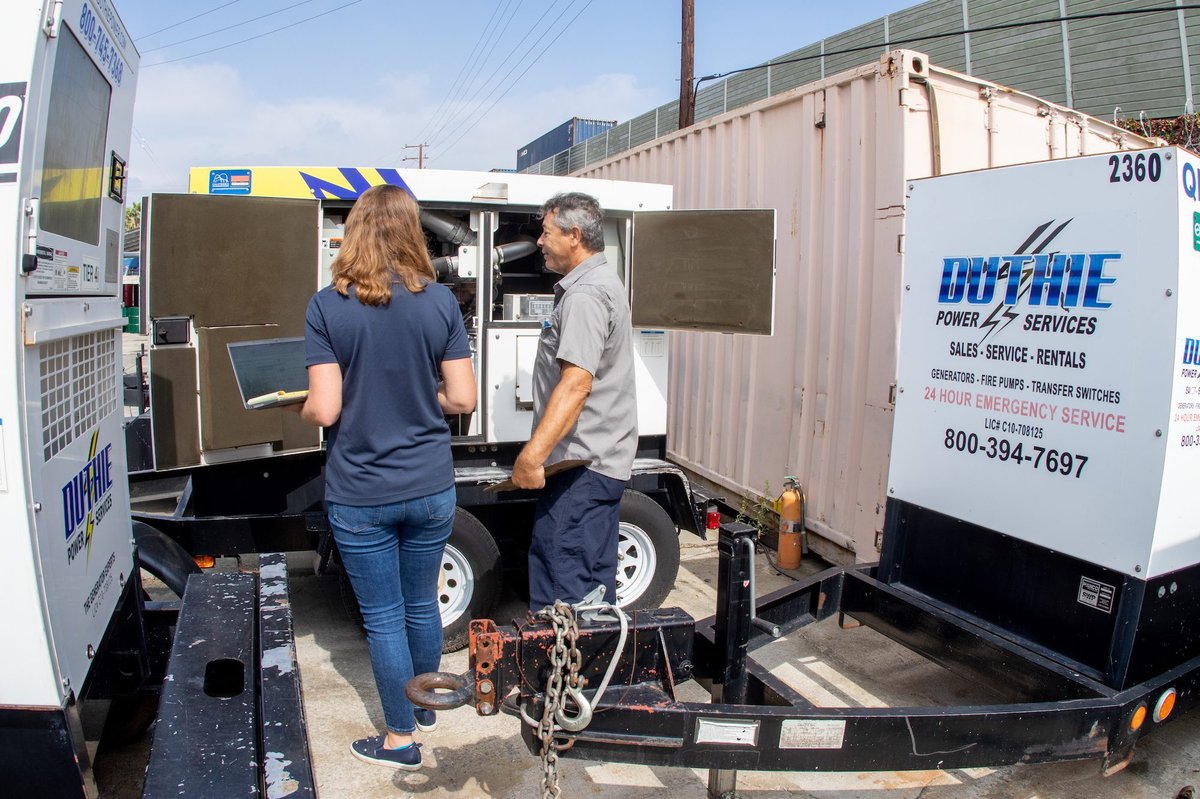
A power outage can strike without warning, turning your well-lit, climate-controlled home into a dark, uncomfortable space. For homeowners relying on a 2500W generator for essential backup power, understanding proper 2500W Generator Maintenance & Safety isn't just about prolonging the life of your equipment—it's about ensuring your family's comfort and security when it matters most. A well-maintained generator is a reliable generator, ready to kick into action the moment you lose utility power.
At a Glance: Your Generator Maintenance Essentials
- Monthly Checks (DIY Friendly): Spend 15-20 minutes on visual inspections, fluid levels, clearing debris, and running a quick exercise test to ensure readiness.
- Annual Professional Service (Crucial for Warranty): Schedule a yearly comprehensive check-up by a certified technician for oil changes, filter replacements, and system diagnostics.
- Safety First, Always: Always follow manufacturer guidelines, maintain proper clearances, and handle fuels and electrical components with extreme caution.
- Log Everything: Keep detailed records of all maintenance, whether DIY or professional, for warranty validation and troubleshooting.
- Listen to Your Generator: Pay attention to unusual noises, leaks, or error codes—they're early warnings that can prevent major repairs.
Why Proactive Maintenance Isn't Just a Suggestion—It's a Necessity
Think of your generator as the silent guardian of your home's power. It sits dormant, often for months, waiting for its critical moment. Without regular attention, seals can dry, fluids can degrade, and vital components can corrode, leaving you stranded when the lights go out. A robust maintenance schedule not only ensures your generator starts reliably but also helps it last 2-3 times longer than neglected units, saving you from expensive emergency repairs and the frustration of a failed power supply.
Larger companies might have in-house engineers tending to massive industrial generator sets, but for most homeowners, maintaining your 2500W generator involves a blend of straightforward DIY tasks and crucial professional inspections. This strategic approach maximizes service life, maintains efficiency, and provides peace of mind that your investment will deliver power on demand. To truly understand the full capabilities and operational specifics of your particular model, you might also want to learn more about 2500-watt generators and their common features.
Your Generator's Lifeline: A Maintenance Calendar
Keeping your generator in prime condition requires a systematic approach. Here's a breakdown of essential tasks, categorized by frequency, designed to keep your 2500W unit humming reliably.
Monthly Maintenance: Your 15-Minute Readiness Check
These quick checks are your first line of defense, taking just 15-20 minutes each month. They're designed to identify minor issues before they escalate.
- The All-Important Run Test:
- What to do: For standby generators, ensure your unit completes its weekly self-test if equipped. Once a month, consider performing a manual run test under load. This means carefully turning off your main utility power at the transfer switch (if applicable), letting the generator power your home for 10-15 minutes, and then switching back. This confirms the entire system—from start-up to transfer—is working correctly, not just the engine. For portable units, start it up and run it for 10-15 minutes with a light load.
- Why it matters: Running the generator exercises the engine, lubricates moving parts, and circulates fluids, preventing components from seizing due to disuse.
- Visual Inspection:
- What to do: Walk around your generator. Look for any visible leaks (oil, coolant, fuel), loose wires, signs of rodent activity (chewed wires, nests), or debris accumulation.
- Why it matters: Early detection of leaks or damage can prevent costly repairs or dangerous malfunctions.
- Check Fluid Levels:
- What to do: Verify your oil level is at the recommended mark using the dipstick. If you have a liquid-cooled model, check the coolant overflow tank. For propane or diesel generators, ensure adequate fuel. If it's a natural gas unit, confirm the main gas valve is fully open.
- Why it matters: Correct fluid levels are vital for engine lubrication, cooling, and fuel delivery.
- Clear Debris:
- What to do: Remove any leaves, grass clippings, snow, or other obstructions from around and on the generator. Ensure air intake vents are clear.
- Why it matters: Blocked vents can lead to overheating, and debris can interfere with moving parts or create fire hazards.
- Battery Connections:
- What to do: Briefly check that battery terminals are tight and free from corrosion.
- Why it matters: A loose or corroded connection can prevent your generator from starting when you need it most.
Manufacturer-Specific Monthly Insights:
Leading brands often offer features to simplify these checks: - Generac: Leverage the Mobile Link™ app for reminders and to monitor the weekly 12-minute self-test. Guardian series controllers also display critical alerts.
- Kohler: Their OnCue Plus system provides alerts. Note that Kohler units may require more frequent air intake cleaning depending on the environment. Decision-Maker controllers display maintenance reminders.
- Briggs & Stratton: The InfoHub™ app sends alerts, and models like Fortress and Symphony II often have color-coded maintenance points for easier identification.
- Cummins: The Connect Cloud platform allows for tracking, and QuietConnect™ series generators often feature easy-access doors for checks. Always check the controller for "Maintenance Due" notifications.
Annual Maintenance: The Professional Touch Your Warranty Demands
While monthly checks are great for homeowners, annual service by a professional technician is often required to maintain your generator's warranty and ensures a deeper, more technical inspection. This isn't just a suggestion; it's a critical part of long-term reliability.
Here’s what a professional annual service typically covers:
- Oil & Filter Change: Using manufacturer-recommended grade oil and new filters is paramount for engine longevity.
- Air Filter Replacement: A clean air filter ensures proper combustion and prevents engine wear.
- Spark Plug Service (Gas Models) or Injector Check (Diesel): Ensures efficient ignition and fuel delivery.
- Battery Test & Service: Includes a load test to assess battery health, cleaning terminals, and verifying the charging system.
- Fuel System Inspection: Thorough check of lines, filters, connections, and for any leaks.
- Cooling System Service (Liquid-Cooled): Inspecting the radiator, cleaning fins, and checking coolant condition.
- Valve Adjustment (If Necessary): Ensures optimal engine performance and longevity.
- Transfer Switch Test: Verifies that your automatic transfer switch (ATS) functions correctly, seamlessly shifting power between utility and generator.
- Control System Check: Confirms all safety shutdowns and alerts are operational.
- Exhaust System Inspection: Checks for leaks, corrosion, and proper ventilation.
Annual Service Costs to Expect:
Professional annual service costs can vary based on your generator's size, location, and the service provider. - Air-Cooled Home Generators (8-22kW): Typically range from $250 - $400 per year.
- Liquid-Cooled Home Generators (20-60kW): Generally cost $350 - $600 per year.
- DIY Parts (e.g., Generac Maintenance Kits): If you're tackling some tasks yourself, kits can run $80 - $200.
- Pre-Paid 3-Year Maintenance Plans: These can offer savings, often priced between $700 - $1,200 for the period.
Always remember: These prices are estimates and can fluctuate based on regional labor costs and specific model requirements.
Beyond Annual: Extended & Seasonal Care
Some tasks aren't needed every year but are vital over your generator's lifespan, and seasonal changes require specific attention.
Every 2-5 Years:
- Battery Replacement: Even well-maintained batteries eventually lose capacity. Replacing it every 2-3 years is a good preventive measure.
- Coolant Replacement (Liquid-Cooled): Coolant degrades over time and should be flushed and replaced every 2-4 years as per manufacturer specs.
- Valve Clearance Check: Essential for engine health on some models.
- Comprehensive Fuel System Cleaning: Especially important for diesel units to prevent fuel-related issues.
- Radiator Hoses: Inspect and replace every 3-5 years for liquid-cooled units.
Seasonal Preparation: - Winter Readiness:
- Battery: Ensure it's in top condition; cold weather significantly impacts battery performance.
- Block Heater: Verify it’s working if your unit has one, especially for diesel generators in cold climates.
- Fuel (Diesel): Use winter-grade fuel or additives to prevent gelling.
- Clearance: Maintain at least 3 feet of clearance around the generator, especially for snow accumulation.
- Antifreeze: For liquid-cooled units, verify the coolant protects down to at least -20°F.
- Summer Readiness:
- Cooling System: Clean cooling fins and radiators more frequently. High ambient temperatures demand efficient cooling.
- Exhaust: Check for nesting animals or insect nests, which can block airflow.
- Ventilation: Ensure no new vegetation is blocking air intake or exhaust points.
- Load Capacity: Consider increased AC demands and ensure your generator is appropriately sized to handle summer loads.
DIY vs. Professional: Striking the Right Balance for Your 2500W Unit
Deciding what you can handle and what requires a pro is key to effective maintenance and warranty compliance.
DIY Tasks You Can (and Should) Do
Empowering yourself with basic maintenance knowledge can save you money and keep your generator ready.
- Monthly Visual Inspections: Checking for leaks, debris, and obvious damage.
- Fluid Level Checks: Monitoring oil, coolant, and fuel.
- Clearing Debris: Keeping the generator clear of obstructions.
- Simple Battery Terminal Cleaning: Addressing minor corrosion (more intensive cleaning should be left to pros).
- Exercise Tests: Running your generator monthly (manually or verifying automatic tests).
- Air Filter Replacement: A relatively simple task on most models. Savings: ~$50-$75 per year.
When to Call the Professionals
For safety, warranty, and complex diagnostics, professional service is non-negotiable. Most generator warranties require annual professional maintenance; skipping these services can void your coverage, turning a small annual cost into a potentially massive repair bill.
Professional tasks include:
- Annual Comprehensive Service: Oil change, spark plugs, detailed inspections.
- Electrical & Fuel System Checks: Ensuring safe and efficient operation.
- Transfer Switch Testing: Critical for automatic standby units.
- Battery Load Testing: Accurately assessing battery health.
- Engine Tune-ups & Valve Adjustments: Complex tasks requiring specialized tools and knowledge.
- Any Service Required by Warranty: Follow your manufacturer's specific guidelines closely.
It's clear: Neglecting professional maintenance can lead to repairs exceeding $1,000-$2,000, dwarfing the typical $250-$600 annual service cost.
Manufacturer-Specific Warranty Requirements:
Each brand has specific stipulations you must follow to keep your warranty valid. - Generac: Requires service annually or every 200 hours. Mandates Generac oil and filters. Recommends initial service 6 months after installation.
- Kohler: Annually or every 100 hours. Specifies SN 5W-30 synthetic oil. Requires service by a certified technician.
- Briggs & Stratton: Annually or every 200 hours. Recommends authorized dealers and insists on detailed maintenance records.
- Cummins: Annually or every 150 hours. Emphasizes exhaust system inspections and requires service registration in their system.
Decoding Your Generator's Warning Signs
Your generator often "speaks" to you through subtle (or not-so-subtle) cues when something is wrong. Knowing these warning signs can prevent minor issues from becoming catastrophic failures.
- Unusual Noises: Grinding, knocking, rattling, or persistent high-pitched squeals.
- Action: Shut down the generator immediately and call for professional service. These often indicate serious internal engine problems.
- Fluid Leaks: Puddles or drips of oil, coolant, or fuel under the unit.
- Action: For fuel or significant leaks, shut down immediately. For minor oil/coolant, monitor and call for service within 24 hours. Leaks can indicate failing gaskets, cracked components, or loose connections.
- Frequent Shutdowns: The generator starts but then quickly stops or cycles on and off repeatedly.
- Action: Check the control panel for error codes and consult your manual. Call service immediately. This could be anything from a low fluid level to a serious internal fault.
- Visible Smoke:
- Blue Smoke: Indicates oil burning, often due to worn engine components.
- Black Smoke: Suggests an improper fuel mixture or clogged air filter.
- White Smoke: Can indicate coolant burning (serious engine issue) or condensation.
- Action: Shut down the generator immediately for blue or black smoke. Call for service.
- Failed Exercise Cycle: Your generator fails its weekly self-test or displays error codes during the test.
- Action: Check the controller screen for specific codes or messages and contact service within 48 hours. Don't ignore these automated warnings.
- Battery Alerts: The control panel indicates a low battery, a battery fault, or the generator fails to start during a manual test (even if the engine sounds like it's trying).
- Action: Schedule battery service within 48 hours. A weak battery is the leading cause of generator start failures.
Common Generator Error Codes (Examples):
While codes vary by manufacturer, here are some typical examples: - Generac:
1500(Low Oil Pressure),2800(Low Battery). - Kohler:
E-1(Engine Speed Error),E-7(Overvoltage). - Briggs & Stratton:
1-4(Low Fuel Pressure). - Cummins:
Code 359(Maintenance Due).
Always consult your generator's owner's manual or mobile app for a complete list of error codes specific to your model. Have your generator's model and serial number ready when contacting a service provider.
Smart Service: Finding the Right Expert & Planning Ahead
Ensuring your generator receives proper care means knowing who to call and how to manage your service records.
Finding Qualified Service Technicians
Choosing the right professional for your 2500W generator maintenance is crucial.
- Manufacturer-Authorized Dealers: These technicians are factory-trained, use OEM (Original Equipment Manufacturer) parts, and their service typically maintains your warranty. While often more expensive, they offer expertise specific to your brand.
- Independent Generator Services: Can offer competitive pricing and sometimes faster response times. However, expertise can vary, and you'll need to confirm if their service maintains your warranty and if they use OEM parts.
- Maintenance Agreements: Many providers offer annual or multi-year contracts. These typically include priority scheduling, predictable costs, and often discounted parts or labor. It's a "set it and forget it" option for busy homeowners.
Always ask: Will this service maintain my generator's warranty? Do you use OEM parts?
Maintenance Logging & Digital Tracking
Keeping meticulous records isn't just good practice; it's often a warranty requirement and invaluable for troubleshooting or resale.
- Physical Log: Maintain a binder with service receipts, a detailed log of all actions (DIY and professional), inspection dates, and hour meter readings. Compare readings over time to spot irregularities.
- Digital Tracking: Many newer generators integrate with apps like Generac Mobile Link™, Kohler OnCue Plus™, Briggs & Stratton InfoHub™, and Cummins Connect Cloud, which track service history, run times, and alerts.
Money-Saving Maintenance Tips
While professional service is essential, you can still be smart about your maintenance budget:
- Purchase Multi-Year Maintenance Plans: Often offer 15-20% savings compared to single annual services.
- Schedule Off-Season Service: Some technicians offer lower rates or more flexibility during their slower periods.
- Perform Simple Monthly Checks Yourself: The DIY tasks listed above save you from calling a technician for basic issues.
- Replace Air Filters Yourself: An easy task that can save $50-$75/year.
- Keep Your Generator Clean: Prevents debris buildup that can lead to overheating or component damage.
What NOT to Skip (The Expensive Lessons):
Neglecting these crucial services almost always leads to repair costs far exceeding the maintenance fee: - Annual oil changes
- Battery load testing
- Automatic transfer switch testing
- Professional warranty-required service
- Spark plug replacement
- Coolant services (for liquid-cooled units)
The Peace of Mind Plan: Generator Service Agreements
For many, a generator service plan is the ultimate "set it and forget it" solution, offering peace of mind and predictable costs.
What's Typically Included:
- Annual Professional Visits: Usually one comprehensive visit per year.
- Key Component Replacement: Includes oil, oil filter, air filter, and spark plugs (for gas models) as needed.
- Battery Testing & Cleaning: Ensuring the battery is always ready.
- Priority Emergency Service: If your generator breaks down, you get faster response times.
- Discounted Parts & Labor: Often a perk for plan members.
Average Cost: Service plans typically range from $250-$500 per year, depending on the generator size and location.
Who Benefits Most: - Those who value predictable costs and want to avoid surprise repair bills.
- Homeowners who prefer a "set it and forget it" approach to maintenance.
- Individuals living in areas with frequent or prolonged power outages.
- Anyone relying on their generator for critical needs, such as medical equipment.
Your Quick DIY Maintenance Guide: Get Started Today
Feeling empowered to tackle some basic maintenance? Here’s a simple guide to three key DIY tasks. Remember to always refer to your generator's specific owner's manual for detailed instructions and safety precautions.
Monthly Visual Inspection (10-15 minutes)
- Ensure "Auto" Mode: Confirm your generator's control panel is set to "Auto" mode so it's ready to activate if power fails (for standby units). For portable units, ensure it's in a safe, ready-to-start state.
- Clear Debris: Remove any leaves, grass, dirt, or other obstructions from around and on the generator housing.
- Inspect for Pests: Look for signs of rodents or insects, especially in air vents or near wiring.
- Check for Leaks: Scan the ground and generator base for any puddles or drips of oil, coolant, or fuel.
- Verify Clearance: Ensure there's at least 3 feet of clear space around the entire unit for proper ventilation and safety.
- Check Fluid Levels: Briefly check your oil level with the dipstick and, for liquid-cooled models, verify the coolant overflow tank level.
- Confirm Vents Are Clear: Make sure all air intake and exhaust vents are unobstructed.
- Verify Exercise Indicator: On models with automatic exercise, confirm the indicator shows it completed its last self-test successfully.
Air Filter Check/Replacement (15-20 minutes, $20-$50 for filter)
- Turn Off Generator: Switch the generator to "Off" or "Manual" mode before proceeding. Disconnect the battery if specified by your manual.
- Locate & Remove Panel: Find the air filter access panel, usually secured by clips or screws. Remove it.
- Remove Old Filter: Carefully take out the air filter element. Note its orientation.
- Inspect: Hold the filter up to a light source. If you can't see light passing through it, or if it's visibly dirty/damaged, it needs replacing.
- Install New Filter: Insert the new air filter, ensuring it's seated correctly.
- Secure Cover: Replace the filter access panel and secure it firmly.
- Restore Mode: Reconnect the battery (if disconnected) and return the generator to "Auto" mode.
Battery Terminal Cleaning (20-30 minutes)
Always exercise extreme caution when working with batteries. Wear gloves and eye protection.
- Turn Off Generator & Disconnect Power: Switch the generator to "Off" or "Manual" mode and ensure it's fully powered down. Crucially, disconnect the battery charging power source (e.g., AC charger) if applicable.
- Access Battery: Open the battery compartment.
- Identify Terminals: Locate the positive (+) (red) and negative (-) (black) terminals.
- Check for Corrosion: Look for white or bluish-green powdery buildup.
- Disconnect Terminals: Always disconnect the negative (-) terminal first, then the positive (+). Use a wrench of the correct size.
- Clean Terminals: Mix a solution of baking soda and water (about 1 tablespoon baking soda to 1 cup water). Apply with an old toothbrush or a wire brush to scrub away corrosion from both the terminals and the battery posts.
- Rinse & Dry: Rinse with clean water and dry thoroughly with a rag.
- Apply Protection: Apply a thin coat of petroleum jelly or anti-corrosion spray to the terminals to prevent future buildup.
- Reconnect Terminals: Reconnect the positive (+) terminal first, then the negative (-). Ensure all connections are tight.
- Restore Mode: Close the battery compartment and return the generator to "Auto" mode.
Powering Forward with Confidence
Your 2500W generator is a vital piece of equipment, a small but powerful defender against unexpected outages. By diligently following a regular maintenance schedule—combining your proactive monthly checks with expert annual service—you're not just maintaining a machine; you're safeguarding your home's comfort, security, and peace of mind. Proactive maintenance is an investment that pays dividends, ensuring your reliable power source is always ready when you need it most. Don't wait for the lights to go out to realize your generator needed attention. Start your maintenance routine today and face any outage with confidence.