It's a familiar scenario: the power flickers, then dies, plunging your home into darkness. Or perhaps you're deep in the wilderness, miles from the nearest outlet, needing to power essential tools or appliances. In these moments, your 2500-watt generator is a lifeline, a hum of reliable power. But here’s the secret seasoned users know: a generator alone is just a motor and an alternator. It's the right 2500W generator accessories that truly unlock its potential, transforming it from a simple power source into a robust, versatile, and safe energy hub.
Think of it like buying a high-performance car. The car itself is great, but premium tires, a navigation system, and maintenance tools elevate the driving experience and ensure longevity. The same principle applies here. Without the proper gear, you're either underutilizing your generator, operating it unsafely, or setting yourself up for frustrating breakdowns. This guide will walk you through the essential and value-adding accessories, helping you make informed choices that boost performance, extend life, and ensure peace of mind.
At a Glance: Your 2500W Generator Accessory Essentials
- Safety First: Carbon monoxide detectors and proper grounding kits are non-negotiable.
- Maintenance Matters: Oil, spark plugs, and fuel stabilizer keep your generator running smoothly.
- Power Distribution: Heavy-duty extension cords and adapter plugs are key for connecting appliances.
- Fuel Management: EPA/CARB-compliant fuel cans and funnels ensure safe fueling.
- Convenience Enhancers: Wheel kits, covers, and remote starts improve usability.
- Longevity Boosters: Hour meters and protective covers help prolong your investment.
- Compatibility is Crucial: Always double-check accessories match your specific 2500W generator model.
Why Your 2500W Generator Needs More Than Just Fuel
A 2500W generator strikes a fantastic balance between portability and power. It's robust enough to handle critical appliances during an outage (like a refrigerator, lights, and a few small electronics), yet often light enough to move for camping trips, tailgating, or remote job sites. However, its true utility isn't just about its wattage; it's about how effectively and safely you can deploy that power.
Without the right accessories, you might face a range of issues:
- Safety Hazards: Risk of carbon monoxide poisoning, electrocution, or fire.
- Limited Usability: Inability to connect specific appliances or operate in certain conditions.
- Premature Wear and Tear: Lack of proper maintenance tools leading to breakdowns.
- Frustration: Inconvenience during setup, fueling, or storage.
Investing in quality accessories is not an afterthought; it’s an integral part of owning and operating a 2500W generator responsibly and efficiently. It’s about ensuring you get the maximum value and reliability from your power source, whether it’s for an emergency or recreation. If you’re just starting your journey with portable power, it’s worth reviewing Your guide to 2500W generators to understand the core unit itself.
The Non-Negotiables: Essential Safety & Maintenance Gear
Before you even think about plugging anything in, safety and basic upkeep must be top priorities. These accessories protect you, your loved ones, and your investment.
Carbon Monoxide (CO) Detector
This isn't just an accessory; it's a life-saving device. Generators produce carbon monoxide, an odorless, colorless gas that is highly toxic. Operating a generator outdoors, away from windows and doors, is the golden rule, but a battery-powered CO detector provides an absolutely critical layer of protection. Place one inside any structure where generator exhaust could potentially migrate, such as your home if the generator is near an open window, or in a tent if you're using it for camping (though a generator should never be operated inside a tent). Check batteries regularly.
Fire Extinguisher (ABC Rated)
Working with fuel and electricity always carries a fire risk. A small, easily accessible ABC-rated fire extinguisher is a must-have. This type of extinguisher is effective against fires involving ordinary combustibles (A), flammable liquids (B), and electrical equipment (C). Keep it near your generator setup, but not so close that you can't reach it safely in case of a problem.
Grounding Kit
Many portable generators, especially those with 120V receptacles, are designed with a floating neutral and do not technically require external grounding according to NEC (National Electrical Code) article 250.34 for routine use when only powering cord-and-plug connected tools or appliances. However, if you are connecting your generator to a building's electrical system via a transfer switch, or if you are using it in a construction environment or for certain sensitive electronics, external grounding becomes crucial for safety. A grounding kit typically includes a copper grounding rod and a heavy-gauge copper wire to connect the generator's frame to the rod, diverting dangerous electrical surges or faults into the earth. Always consult your generator's manual and local electrical codes for specific grounding requirements.
Fuel Stabilizer
Gasoline can degrade in as little as 30-60 days, especially if it contains ethanol, which attracts water. This can gum up your carburetor, clog fuel lines, and cause starting issues or engine damage. Fuel stabilizer is a simple, inexpensive additive that keeps gasoline fresh for extended periods, usually up to 12-24 months. Add it to your generator's fuel tank (and any stored fuel cans) before long-term storage or if the generator won't be used for a month or more.
Engine Oil & Funnel
Your 2500W generator relies on its engine, and the engine relies on clean, correctly specified oil. Always keep a supply of the manufacturer-recommended oil (e.g., 10W-30, SAE 30, or synthetic blends depending on temperature) on hand. A small funnel makes refilling a clean, spill-free process. Check the oil level before each use and change it according to the manufacturer's schedule. This simple act is one of the most impactful ways to extend your generator's lifespan. For a deeper dive into all the moving parts of keeping your generator in top shape, check out this comprehensive generator maintenance checklist.
Spare Spark Plugs & Spark Plug Wrench
A fouled or worn spark plug can prevent your generator from starting or running efficiently. Keeping a spare on hand, along with the correct spark plug wrench (often a specialized size), means you can quickly diagnose and fix a common starting problem. This is especially handy when you're far from a hardware store.
Air Filter
Just like your car, a generator needs clean air to run. A clogged air filter restricts airflow, leading to reduced power, increased fuel consumption, and potential engine damage. Keep a spare air filter handy, and inspect your current one regularly, especially if operating in dusty conditions. Cleaning or replacing it is a quick job that pays dividends in performance.
Power Distribution & Connection: Getting Power Where You Need It
Once your generator is safely set up, the next step is getting its power to your appliances. This requires the right cords and connection methods.
Heavy-Duty Outdoor Extension Cords
This is where many people cut corners, and it’s a mistake. Using an extension cord that is too long or too thin (higher gauge number) for the load can cause voltage drop, overheating, and potential fire hazards. For a 2500W generator, you'll be running multiple appliances, so invest in:
- Appropriate Gauge: For general use, 12-gauge cords are a good starting point. For longer runs (50 feet or more) or higher amperage draws, you might even need 10-gauge. Never use 16-gauge or higher for primary generator loads.
- Outdoor/Heavy-Duty Rating: Look for cords rated for outdoor use, often indicated by a "W" on the jacket (e.g., SJTW). They are designed to withstand weather and abrasion.
- Length: Keep cords as short as possible to minimize voltage drop, but long enough to safely position your generator away from living spaces.
- Multiple Outlets: Heavy-duty power strips or multi-outlet extension cords (with surge protection, if appropriate for your use case) can be useful for connecting several low-draw items.
Generator Adapter Cords
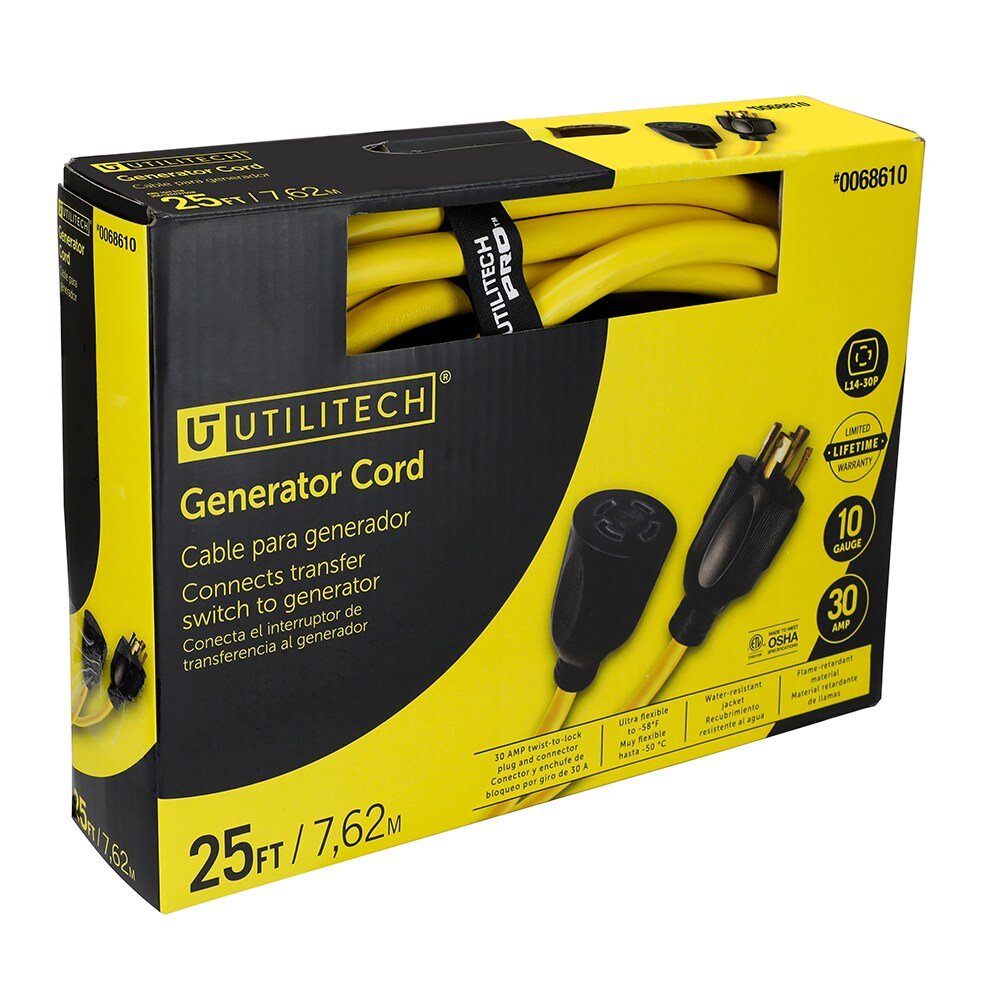
Many 2500W generators come with a twist-lock 120V receptacle (like an L5-30R) in addition to standard 5-20R household outlets. This L5-30R outlet provides dedicated 30-amp power, but most household appliances use standard 15-amp or 20-amp plugs. An adapter cord (e.g., L5-30P male to multiple 5-15R or 5-20R female outlets) allows you to safely connect multiple standard appliances to that higher-amperage outlet. Ensure the adapter cord itself is heavy-duty and rated for the amperage.
Manual Transfer Switch
If you plan to power essential circuits in your home directly from your generator during an outage, a manual transfer switch is the safest and only code-compliant method. It's a permanent installation wired into your home's electrical panel by a qualified electrician. This switch safely isolates your home's electrical system from the utility grid, preventing dangerous backfeed that could injure utility workers. It allows you to select which circuits (e.g., furnace, well pump, refrigerator) receive power from the generator. While a 2500W generator might not power your entire house, it's perfect for a critical load panel. For those considering this essential step, more information can be found on understanding generator transfer switch installation.
Power Inlet Box
Used in conjunction with a transfer switch, a power inlet box provides a safe, weather-resistant external connection point for your generator. You connect a heavy-duty generator cord (like a L5-30P to L5-30P cord) from your generator to the inlet box, which is wired to your transfer switch. This eliminates the need to run extension cords through windows or doors, which can compromise security and weatherproofing.
Fueling Your Adventure: Storage, Management, and Efficiency
Fuel is the lifeblood of your generator. Managing it safely and efficiently is paramount.
EPA/CARB-Compliant Fuel Cans
Not just any gas can will do. Look for fuel cans that are EPA (Environmental Protection Agency) and CARB (California Air Resources Board) compliant. These cans are designed to minimize evaporative emissions, prevent spills, and often feature child-resistant caps and pour spouts. They come in various sizes (1-5 gallons are common) and colors (red for gasoline). Always keep several filled cans on hand, especially for emergency preparedness, and store them properly. To learn more about fuel types and their storage requirements, consider exploring different portable generator fuel types.
Fuel Funnel (with Filter)
A high-quality fuel funnel with a built-in filter screen helps prevent debris and water from entering your generator's fuel tank. Even small particles can clog carburetors and fuel injectors, causing performance issues. Look for funnels made from durable, fuel-resistant plastic.
Fuel Siphon/Pump
If you need to drain old fuel from your generator for storage or maintenance, a manual siphon pump or a battery-operated fuel transfer pump can be incredibly useful. This prevents spills and makes the process much cleaner and safer than trying to tip a heavy, fuel-filled generator. Remember to dispose of old fuel responsibly.
Enhancing Comfort & Convenience: Making Life Easier
Beyond the essentials, several accessories can significantly improve the user experience of your 2500W generator.
Wheel Kits & Handle Kits
Many smaller 2500W generators are designed to be portable but might not come with wheels or handles as standard. If your generator is more than an easy lift for you, a wheel kit (often with sturdy, flat-free tires) and a foldable handle greatly reduce the effort needed to move it around, whether it's from the garage to the patio or across a campsite.
Generator Covers
Protect your investment from the elements. A weather-resistant generator cover shields your unit from rain, snow, dust, and UV rays during storage or even while operating (ensure it’s designed for operating and doesn’t block airflow/exhaust). Look for durable, waterproof materials with elastic hems or tie-downs for a snug fit. This simple accessory significantly prolongs your generator's aesthetic and functional life. Make sure to consider safe generator storage practices including proper covering.
Noise Reduction Solutions
While 2500W generators are generally quieter than larger units, "quiet" is subjective. If you're camping or need to keep noise levels down for neighbors, certain accessories can help:
- Mufflers/Exhaust Extensions: Some generators allow for aftermarket mufflers or exhaust extensions that direct sound away or further reduce its intensity.
- Acoustic Enclosures: While a full enclosure might be overkill or restrict airflow for a 2500W unit, DIY sound-dampening boxes or commercially available portable acoustic panels can absorb and deflect sound. Always ensure adequate ventilation if building any enclosure.
- Anti-Vibration Pads: Placing the generator on rubber anti-vibration pads can reduce noise transferred through the ground.
For more detailed strategies, investigate effective noise reduction techniques for generators.
Remote Start/Monitoring Kits
Some advanced 2500W inverter generators offer remote start capabilities, sometimes through a key fob or even a smartphone app. This allows you to start and stop the generator from a distance, which is incredibly convenient in bad weather or if your generator is in a less accessible location. Remote monitoring can also provide fuel levels, run time, and maintenance alerts.
Hour Meter
An hour meter (either built-in or an easy-to-install aftermarket accessory) tracks the total operating hours of your generator. This is invaluable for following the manufacturer's recommended maintenance schedule for oil changes, air filter replacements, and spark plug checks. It helps ensure you perform service proactively, rather than guessing.
USB Charging Ports & Power Strips
While many modern generators include USB ports, if yours doesn't, a simple, rugged power strip with USB ports (connected to a standard generator outlet) can be a lifesaver for charging phones, tablets, and other small electronics without monopolizing a precious AC outlet. Ensure the power strip is rated for outdoor use if needed.
Smart Choices: What to Consider When Buying 2500W Generator Accessories
Don't just grab the cheapest option; strategic accessory purchasing enhances your generator experience significantly.
Compatibility with Your Specific Generator
This is paramount. Not all accessories fit all generators, even within the same wattage class.
- Model-Specific Kits: Wheel kits, covers, and remote start modules are often designed for specific generator models or brands. Always check the compatibility list.
- Electrical Ratings: Ensure extension cords, adapter plugs, and inlet boxes are rated for the voltage and amperage your 2500W generator provides and your intended load requires.
- Physical Dimensions: Will the cover fit? Is the muffler extension compatible with your exhaust port?
Quality and Durability
Cheap accessories can be a false economy, leading to premature failure, safety hazards, or simply not performing as expected.
- Materials: Look for heavy-gauge wiring in electrical cords, robust plastics for fuel cans, and durable fabrics for covers.
- Certifications: For electrical items, look for UL, ETL, or CSA certifications. For fuel cans, ensure EPA/CARB compliance. These indicate that the product has met specific safety and quality standards.
- Reviews: Check user reviews for insights into real-world performance and longevity.
Intended Use
Your primary use case for the 2500W generator should guide your accessory purchases.
- Emergency Home Backup: Prioritize safety (CO detector, grounding), essential power distribution (heavy-duty cords, maybe a transfer switch), and fuel storage.
- Camping/Tailgating: Focus on convenience (wheel kit, remote start), noise reduction, and USB charging.
- Job Site: Durability (heavy-duty cords), theft prevention (lockable covers), and robust maintenance tools are key.
Budget vs. Value
While it’s easy to get carried away, prioritize the most impactful accessories first. Start with safety, then maintenance, then power distribution, and finally, convenience. Sometimes, spending a little more on a higher-quality, certified accessory provides better value in the long run through increased reliability and safety.
Common Pitfalls to Avoid with Generator Accessories
Even with the best intentions, it's easy to make mistakes that can undermine safety or efficiency.
- Underestimating Cord Requirements: Using standard household extension cords (16-gauge or higher) for high-draw appliances or long distances can cause overheating, tripped breakers, and even fire. Always opt for heavy-duty, outdoor-rated cords with appropriate gauge (12-gauge or 10-gauge are generally recommended for 2500W generators).
- Neglecting Carbon Monoxide Safety: Assuming "outdoor" means "safe from CO." Exhaust can drift. Never operate a generator indoors, in a garage, or too close to windows/doors. Always use a CO detector.
- Improper Fuel Storage: Storing gasoline in non-compliant containers, near ignition sources, or for too long without stabilizer. This is a significant fire hazard and can damage your generator.
- Ignoring Grounding: While some portable generators don't strictly require external grounding for simple cord-and-plug use, understanding when it is necessary (e.g., connection to a house via transfer switch) is vital for electrical safety.
- Buying Incompatible Parts: Assuming all "universal" accessories will work. Always verify compatibility with your specific generator model. A mismatched spark plug or air filter can cause performance issues or damage.
- Overlooking Maintenance: Forgetting to check oil, air filter, and spark plugs because you don't have the right tools or an hour meter. Regular maintenance is the single best way to ensure your generator is ready when you need it and lasts for years.
Extending Your Generator's Lifespan: Best Practices with Accessories
Your 2500W generator is an investment. The right accessories, combined with smart practices, are its best defense against premature wear and tear.
- Facilitate Regular Maintenance: Accessories like an hour meter make it easy to track service intervals. Having spare oil, filters, and spark plugs on hand means you’re more likely to perform maintenance on time rather than procrastinating or scrambling when a part fails. These proactive steps drastically reduce the likelihood of costly repairs down the line.
- Protection from Elements: A good generator cover protects against rust, corrosion, and sun damage when your unit is stored or temporarily left outside. While generators are built to be robust, constant exposure to moisture and UV rays can degrade plastic components, paint, and sensitive electronics.
- Proper Fuel Management: Using fuel stabilizer and EPA/CARB-compliant fuel cans ensures that the fuel entering your generator is clean and fresh, preventing carburetor issues and fuel system corrosion. This is particularly important for generators that sit for extended periods between uses.
- Safe Operating Environment: A grounding kit and appropriate heavy-duty cords ensure the electrical system is operating within safe parameters, protecting internal components from surges or faults that could shorten their life. Additionally, ensuring your generator has adequate ventilation, away from dust and debris, helps its engine run cooler and cleaner.
By integrating these accessories into your generator routine, you're not just enhancing its performance; you're actively contributing to its longevity and reliability. When the power goes out, or when you need power on the go, a well-maintained generator with the right supporting cast of accessories will be your most reliable friend. Don't leave your generator's potential untapped or its lifespan shortened by a lack of thoughtful preparation.
Your Next Steps for a Fully Equipped 2500W Generator
You're now equipped with the knowledge to make smart choices for your 2500W generator accessories. Here’s how to move forward:
- Review Your Generator Manual: Before purchasing any accessory, always consult your generator's owner's manual. It will provide specific recommendations for oil types, spark plug models, and any brand-specific accessories.
- Prioritize Your Needs: Make a list of your primary uses for the generator (emergency backup, camping, job site). Then, prioritize accessories based on safety, essential functionality, and then convenience.
- Start with Safety: If you don't have a CO detector and a fire extinguisher specifically for your generator setup, make those your absolute first purchases.
- Invest in Quality: Don't skimp on heavy-duty extension cords or approved fuel cans. The slight upfront savings are rarely worth the safety risks or performance issues.
- Create a Generator Kit: Consolidate all your accessories in a designated bin or storage area near your generator. This makes deployment faster and ensures you're never scrambling for a forgotten item during an emergency. Include a laminated copy of your generator's quick-start guide and safety checklist.
- Regular Checks: Even with the best accessories, routine checks of your generator's fuel, oil, and overall condition are paramount. Test run your generator periodically, especially if it's for emergency use.
By taking these steps, you’ll not only maximize the utility of your 2500W generator but also ensure its safe, reliable, and long-lasting performance for whatever comes your way.